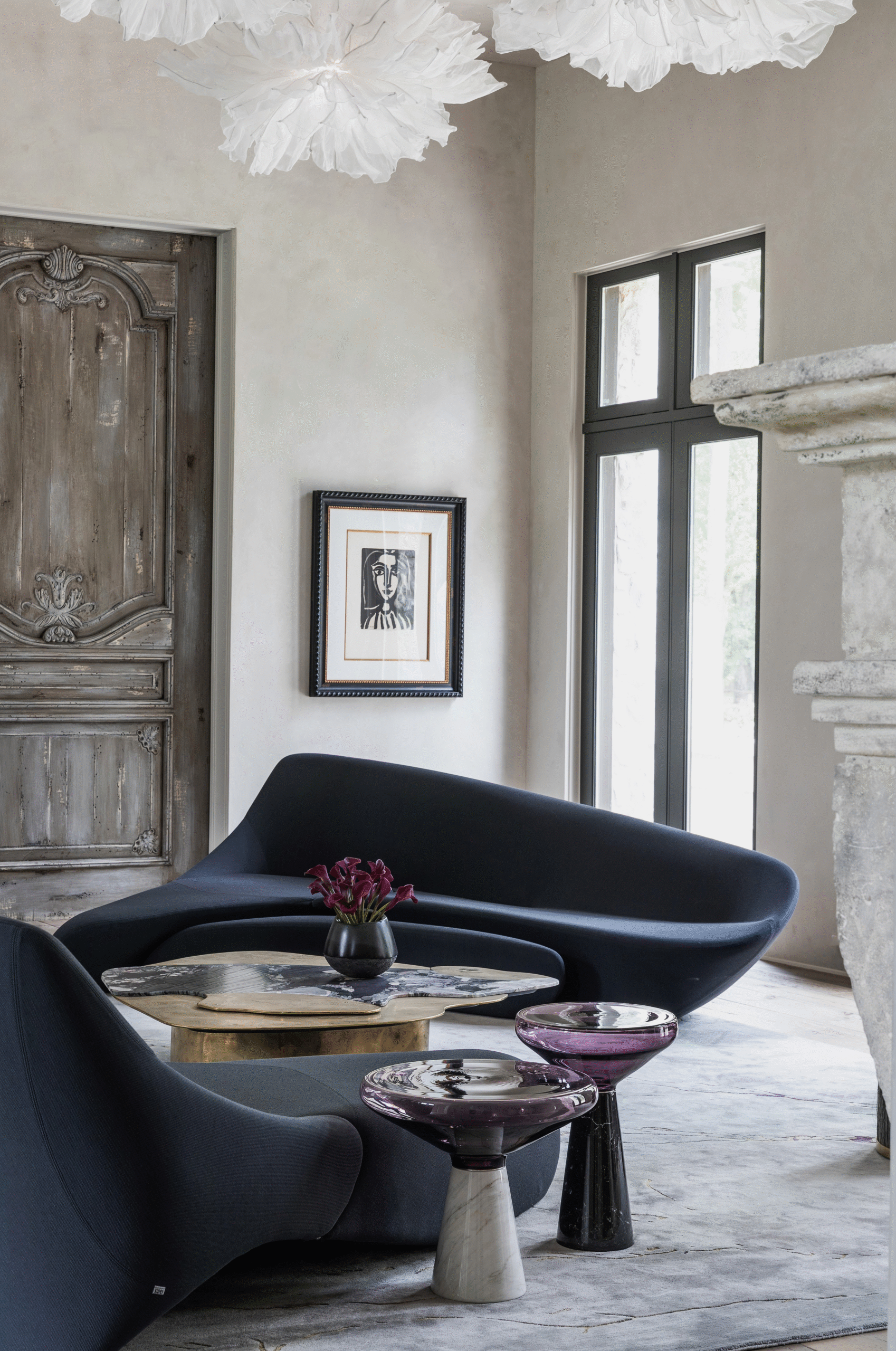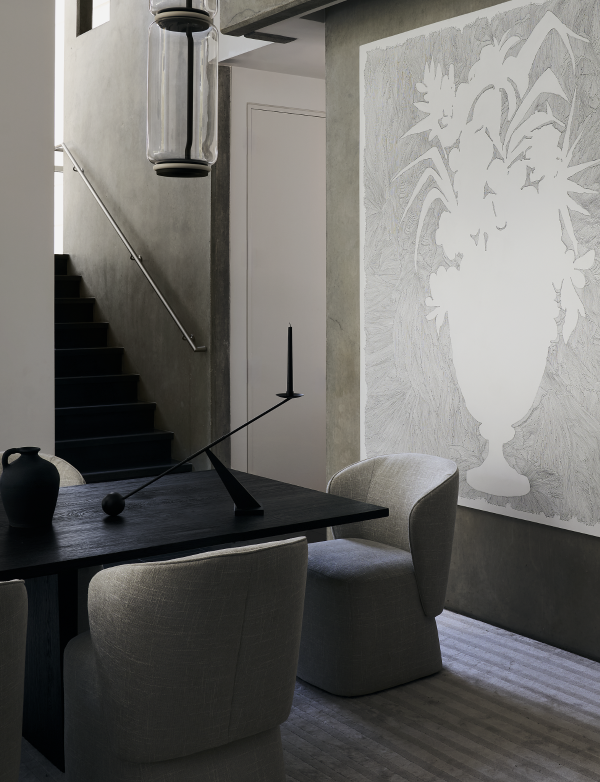
How space Shapes Confidence, Clarity, and Command
Architecture has always been associated with influence. From ancient civic structures to modern corporate headquarters, space has long been used to communicate authority, permanence, and control. Yet beyond symbolism, the environments we inhabit actively shape our psychological and emotional states. They influence how we think, how we make decisions, and how we carry ourselves within a room.
Environmental psychology has consistently demonstrated that spatial conditions affect cognition and behavior. Ceiling height can encourage expansive thinking. Natural light improves focus and emotional stability. Proportion and symmetry foster a sense of order and control. Even the tactile qualities of materials such as the cool density of stone, the warmth of wood, and the softness of layered textiles subtly influence how grounded or energized we feel. When a space is thoughtfully resolved, it reduces cognitive friction and allows the mind to operate with greater clarity and confidence.
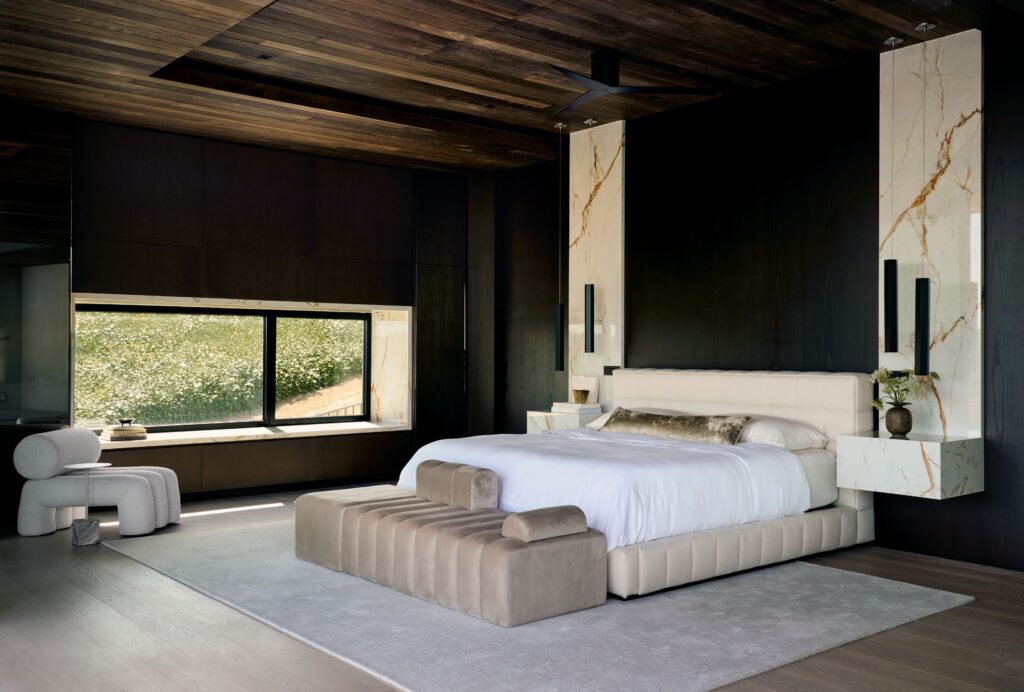
For leaders and high performing individuals, this connection between environment and performance is not incidental. It is strategic. The spaces in which they live are designed not merely for aesthetic appeal but to support sustained excellence. Circulation flows seamlessly to minimize distraction. Visual noise is carefully edited to preserve mental bandwidth. Private areas are acoustically and spatially protected to encourage reflection and deep work. These elements collectively create environments that reinforce composure and decisiveness.
Equally important is restoration. High achievement requires recovery, and the most effective leaders understand that their homes must serve as more than symbols of success. They must function as restorative ecosystems. Research in neuroscience shows that chronic stress diminishes executive function and long term decision making capacity. Environments that incorporate natural textures, balanced lighting, curated art, and sensory softness help regulate the nervous system, lower cortisol levels, and restore emotional equilibrium. In this context, luxury becomes less about excess and more about precision and intentionality.
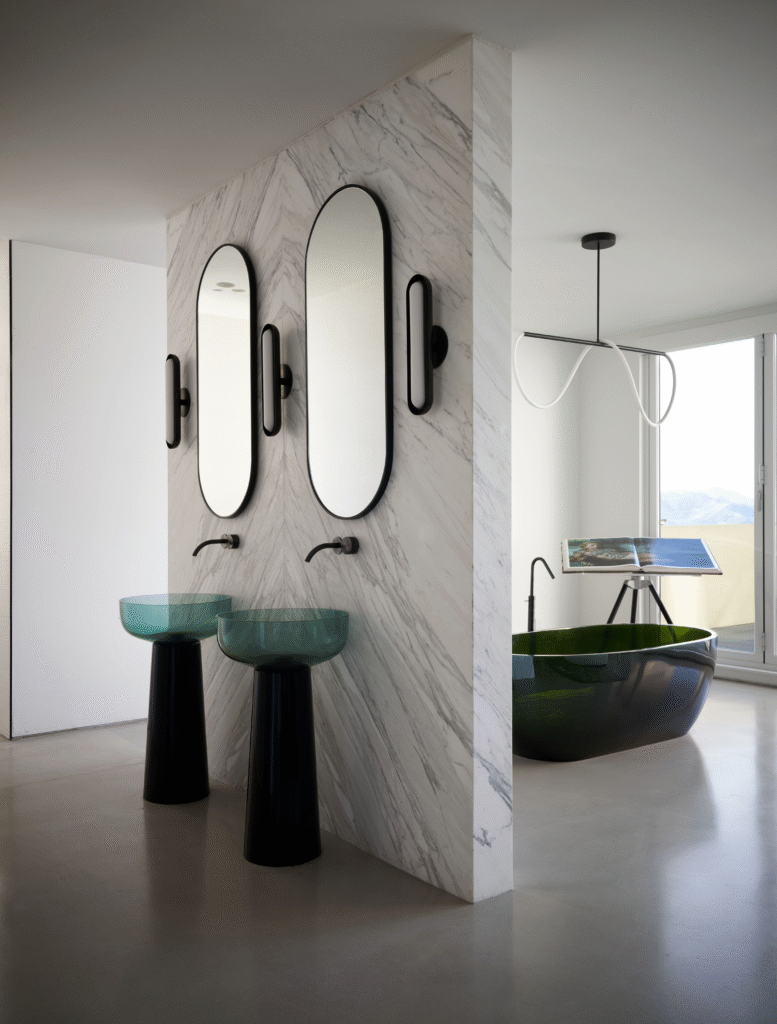
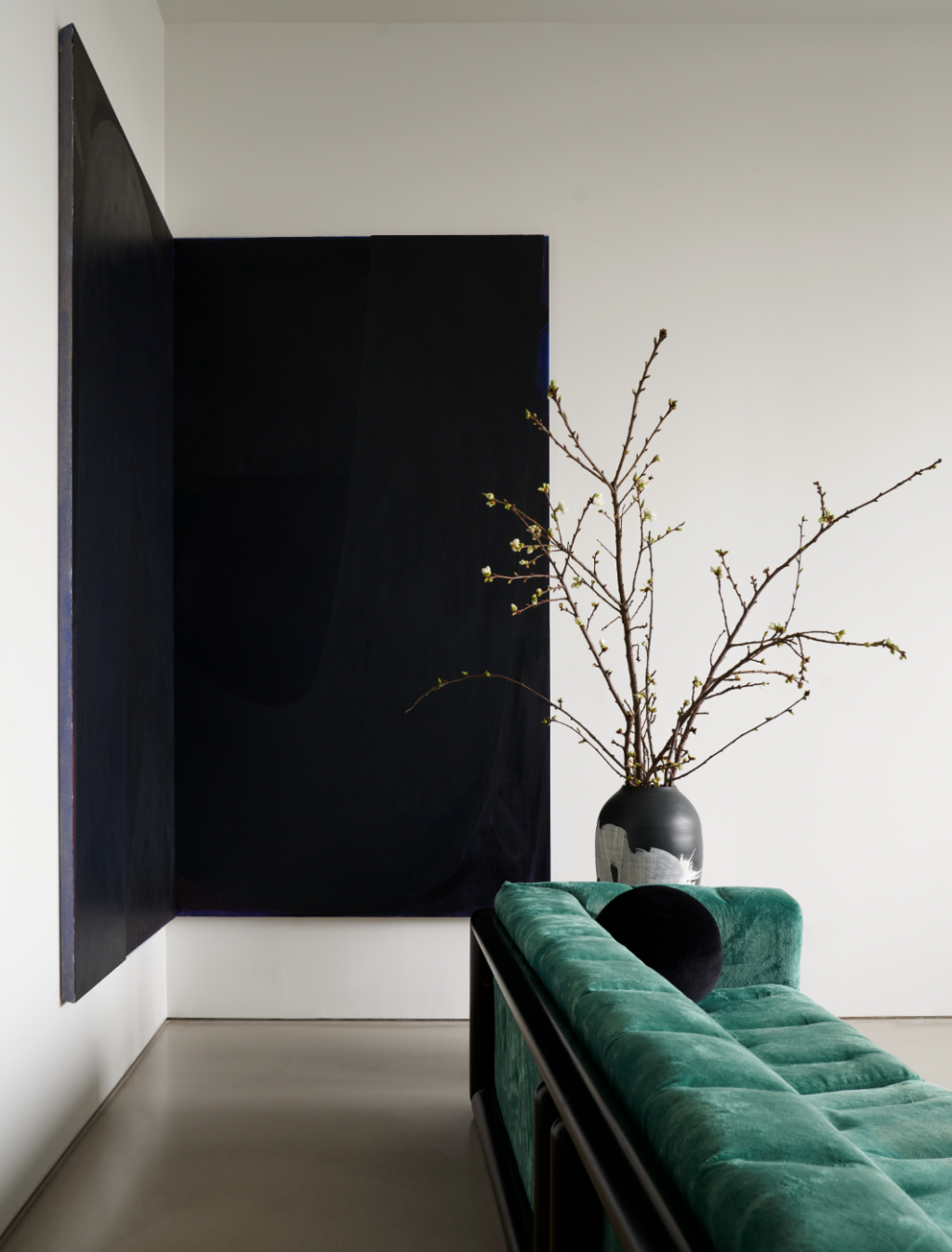
The psychology of luxury operates on a subconscious level. Quality craftsmanship signals permanence and stability. Thoughtful scale communicates confidence. A carefully edited material palette suggests discipline and clarity. When these elements come together harmoniously, they create a sense of psychological safety that allows individuals to think expansively and act with conviction. Luxury at its highest level is not performative; it is reinforcing.
At Nina Magon Studio, we approach design as emotional architecture. Every project is conceived with an understanding that space is not passive. It either supports ambition or undermines it. By integrating architectural precision, intentional materiality, and immersive spatial planning, we create environments that do more than impress. They fortify the individuals who inhabit them.
Because ultimately, power is not only expressed in public arenas. It is cultivated privately, reinforced daily, and sustained through the spaces we call home.