
Each year, Salone del Mobile positions Milan as the global center of design, but in 2026, the message felt more unified and intentional than ever before. Across brands, disciplines, and installations, a clear direction emerged. Design is no longer operating in fragments. It is evolving into fully integrated systems of experience.
Architecture, interiors, product, and wellness are being conceived together, shaping environments that influence how people live, think, and feel on a daily basis. This shift is not aesthetic. It is structural.
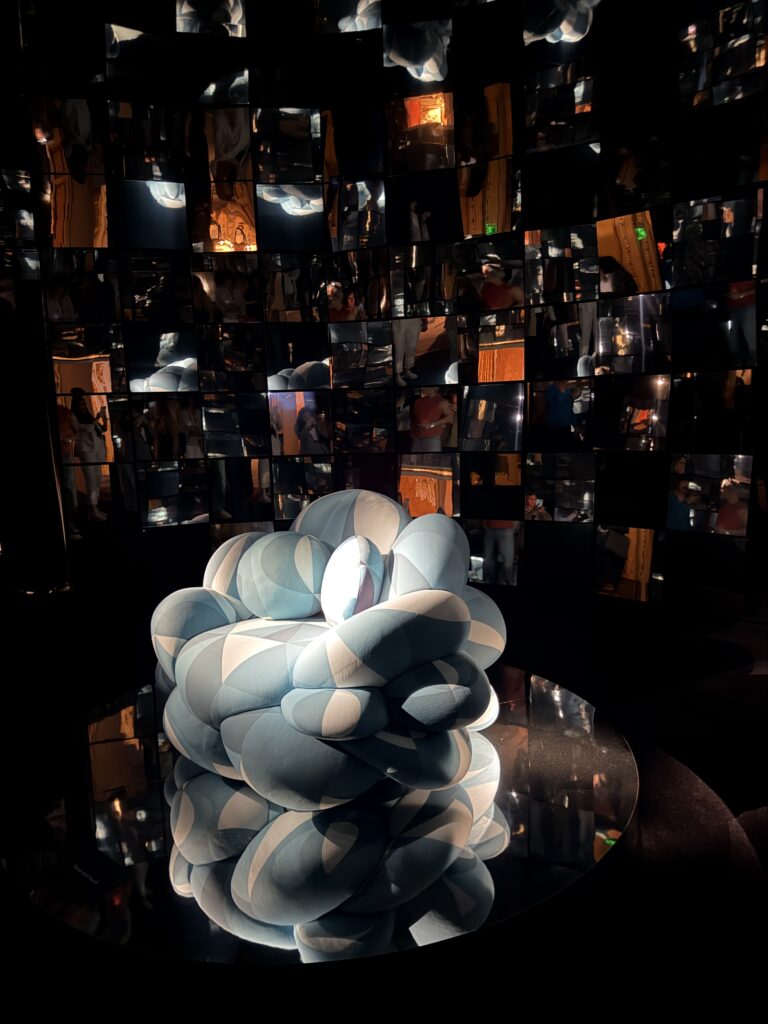
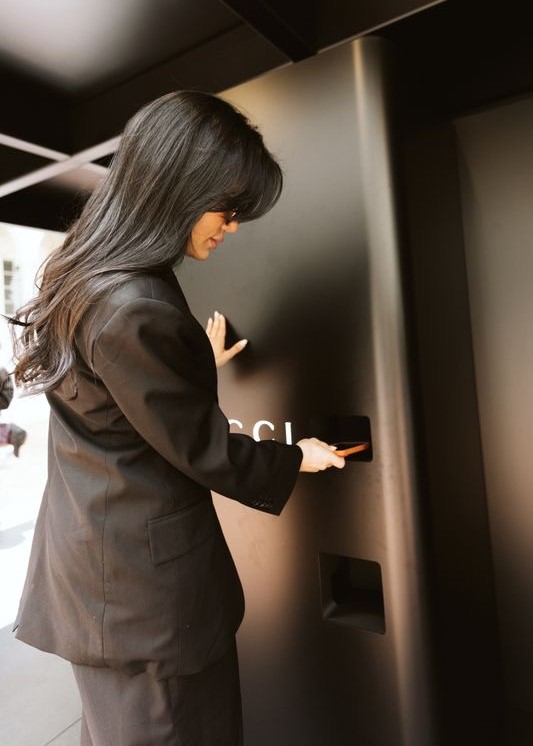
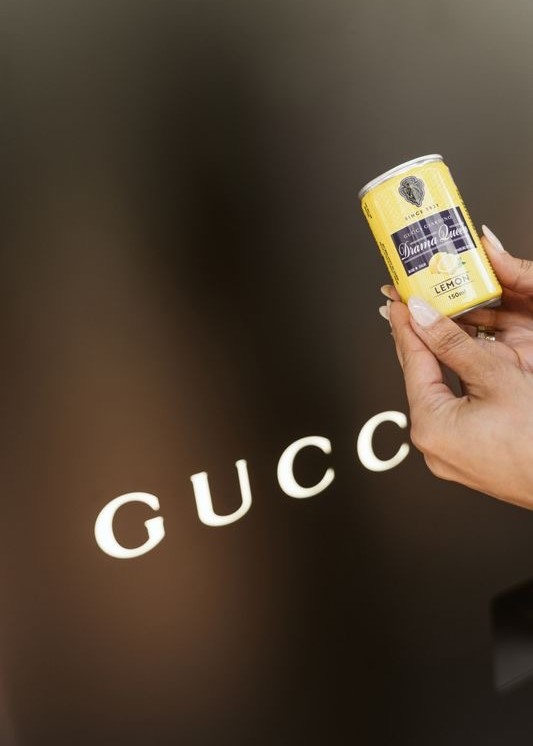
Throughout the week, leading luxury houses expanded beyond individual objects into complete, immersive worlds. Louis Vuitton continued to evolve its Objets Nomades collection, blurring the line between furniture and sculpture, while reinforcing a growing movement toward highly personal, curated interiors. Gucci presented a conceptual installation that transformed a familiar object into an interactive experience, demonstrating the increasing role of storytelling within physical space. Molteni&C further refined the relationship between architecture and furniture through disciplined proportion, scale, and material continuity, resulting in environments that feel cohesive and enduring.
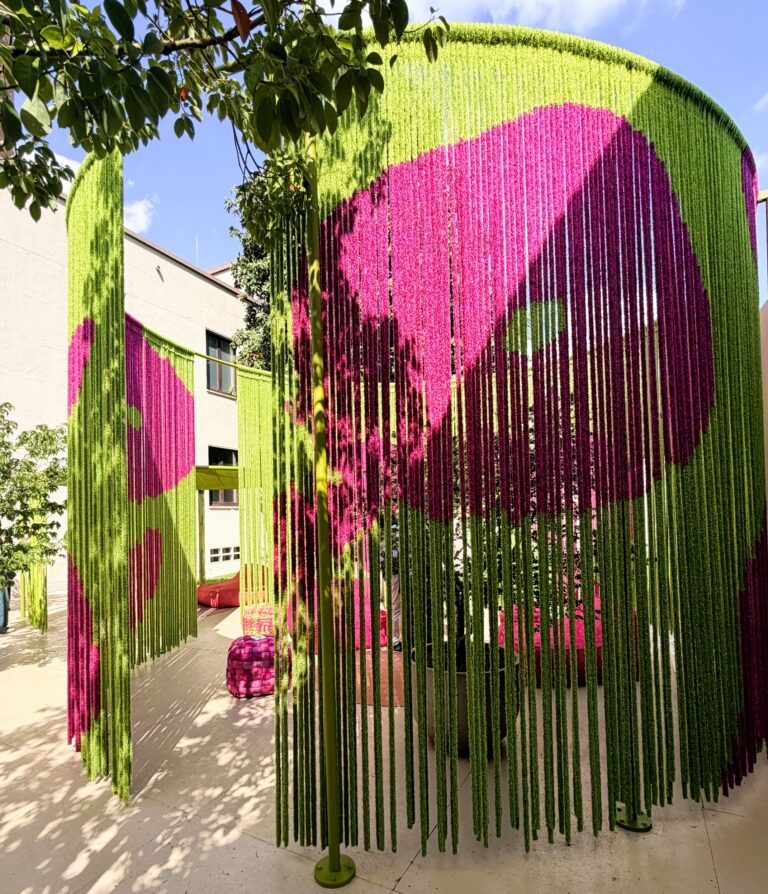
Materiality also emerged as a defining force. Poltrona Frau continued to push the evolution of leather craftsmanship through precision and detailing, while Paola Lenti explored color and textile as drivers of spatial identity, using layered textures to influence atmosphere and perception. In the wellness category, Gessi and Kohler presented advanced systems that integrate water, steam, and sensory elements, reinforcing the bathroom as a space dedicated to restoration and daily ritual.
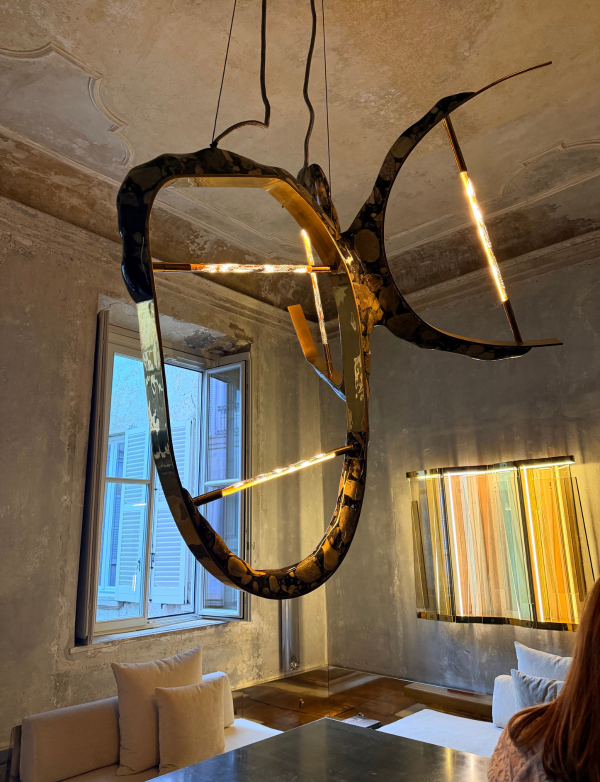
A notable direction throughout Milan Design Week was the emphasis on spatial depth and collectible living. The apartment of Vincenzo De Cotiis exemplified this through layered materials, sculptural forms, and a balance between raw and refined elements. Interiors are increasingly being curated over time, with each piece contributing to a larger narrative, resulting in spaces that feel individual, expressive, and deeply considered.
Milan also continues to serve as a point of convergence across design, fashion, and culture. Brands are no longer presenting in isolation, but contributing to a broader dialogue shaped by collaboration and cross industry influence. This convergence is expanding the role of design beyond form into experience, emotion, and performance.
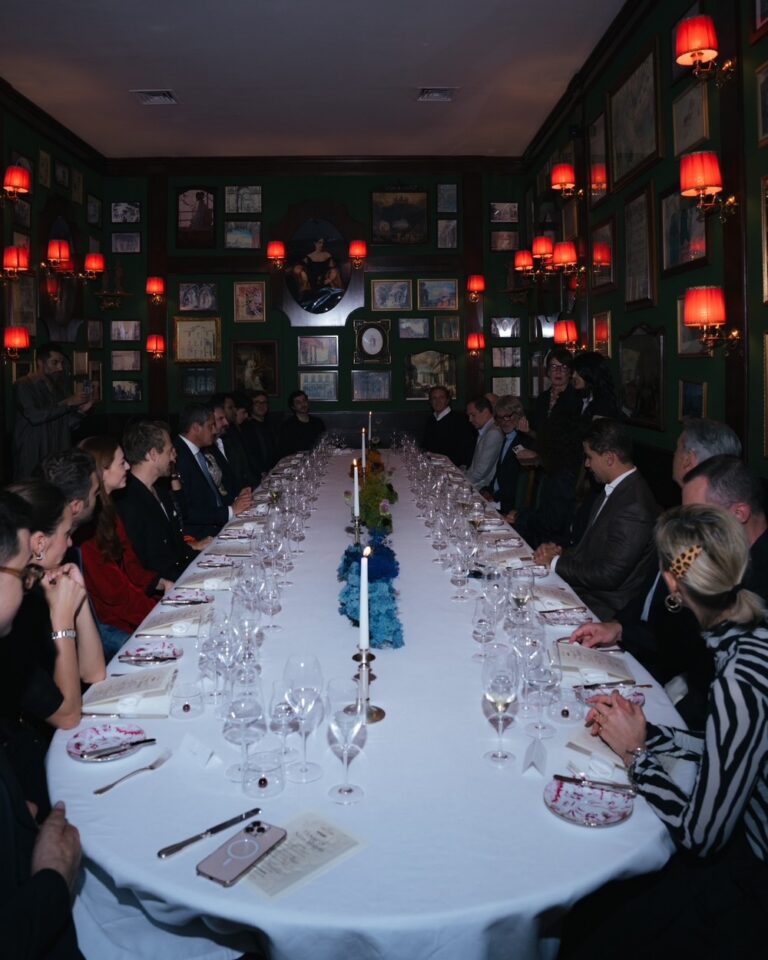
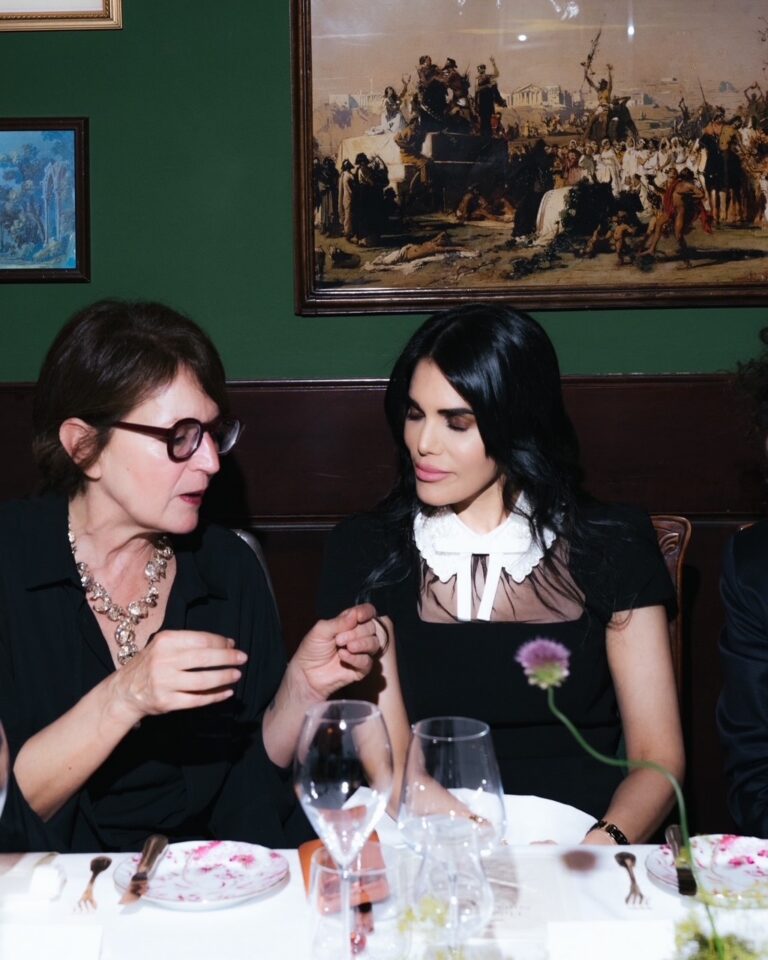
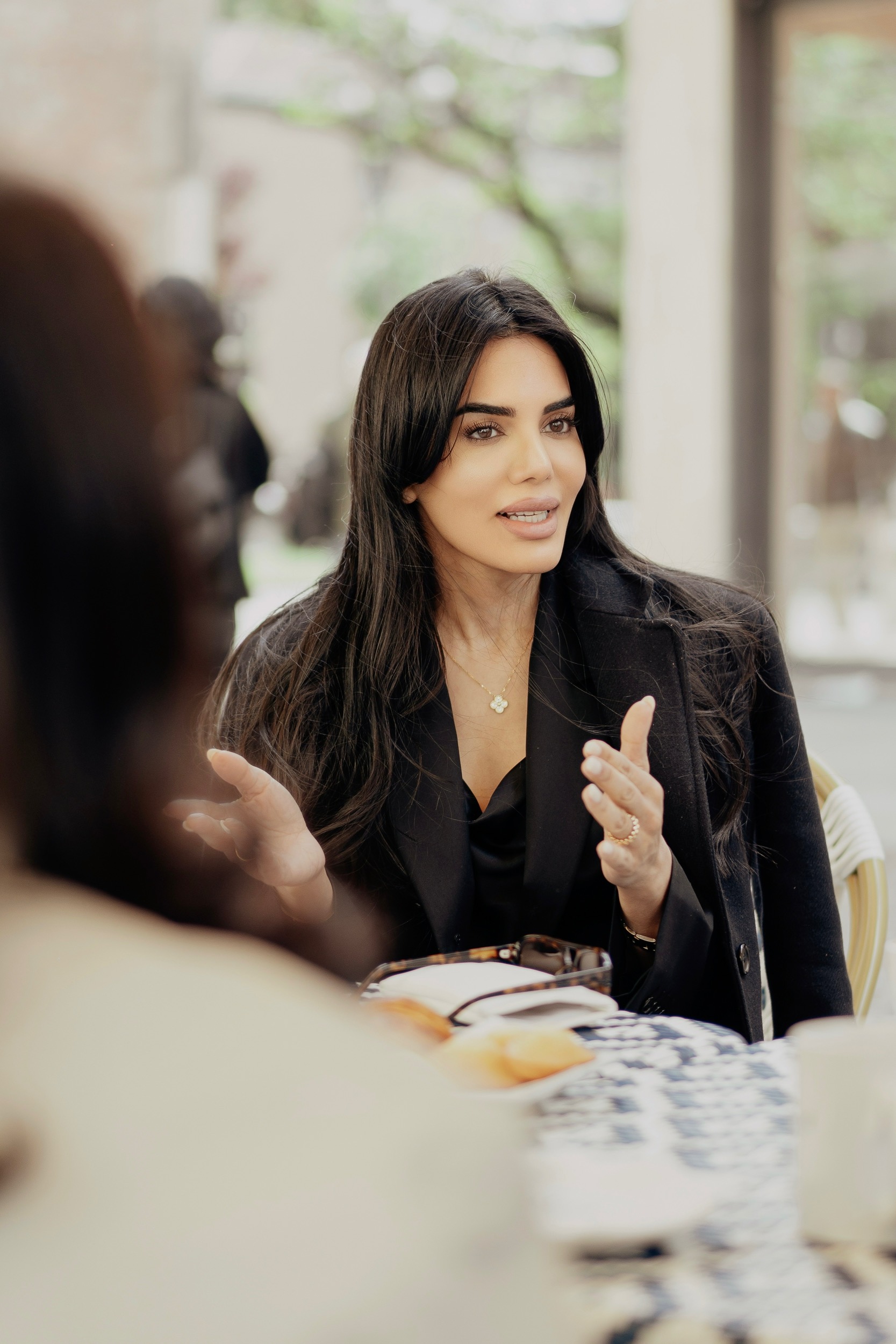
During the week, Nina Magon hosted a private dinner in collaboration with Marie Claire Maison Italia, bringing together developers, editors, and industry leaders for a more focused exchange of ideas. These intimate settings allow for meaningful dialogue and the formation of future collaborations. In parallel, her conversation with Elle Decor Italia explored the evolving role of design as a tool for performance and wellbeing, reflecting a growing recognition that environments directly shape how individuals function within their daily lives.
Milan Design Week 2026 made one thing clear. The next phase of luxury will be defined not by individual objects, but by the ability to create complete environments that are immersive, intentional, and deeply human.

Subscribe to MAGON for design, fashion, beauty, & travel inspiration.

Monday to Friday
9:00am – 6:00pm
© 2025 NINA MAGON
All Rights Reserved.