The Evolution of Luxury
Over the past decade, wellness has evolved from a lifestyle trend into one of the most powerful global economic movements. According to the Global Wellness Institute, the global wellness economy is now valued at more than $6 trillion, making it larger than the pharmaceutical and sports industries combined. One of the fastest-growing sectors within this economy is wellness real estate, which has surpassed $438 billion globally and continues to expand at a rate that far exceeds traditional real estate markets.
This growth reflects a fundamental shift in how people think about the spaces they inhabit. Wellness is no longer confined to spas, fitness studios, or occasional retreats. It is becoming integrated directly into the environments where people live, work, and gather every day. As a result, design is increasingly expected to support not only beauty and comfort, but physical health, emotional balance, and long-term wellbeing.
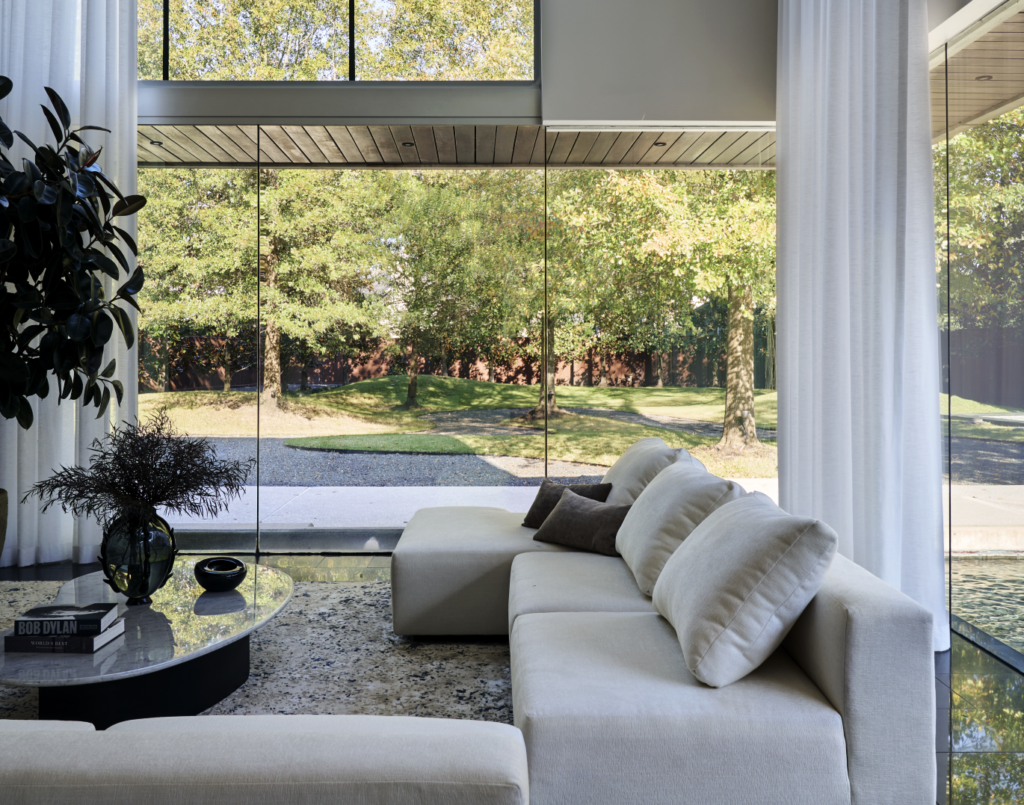
Research across architecture, neuroscience, and environmental psychology continues to demonstrate that the built environment has measurable impacts on human health. Studies from the Harvard T.H. Chan School of Public Health have shown that improved indoor air quality can increase cognitive function by up to sixty one percent. Access to natural daylight has also been linked to improved sleep quality and greater productivity in workplace environments.
These findings reveal that many design decisions once considered aesthetic are actually physiological. Lighting influences circadian rhythm. Acoustics affect stress levels and mental clarity. Material selections can impact air quality and toxin exposure, while spatial organization influences emotional calm and focus. As awareness of these connections grows, clients are increasingly asking for environments that actively support wellbeing.
This demand is reshaping the global real estate market. Developments that integrate wellness focused design strategies often include advanced air and water purification systems, circadian lighting technology, biophilic design elements, and acoustic engineering that reduces stress inducing noise. Projects that incorporate these strategies frequently command higher property values and stronger long term demand than traditional luxury developments.
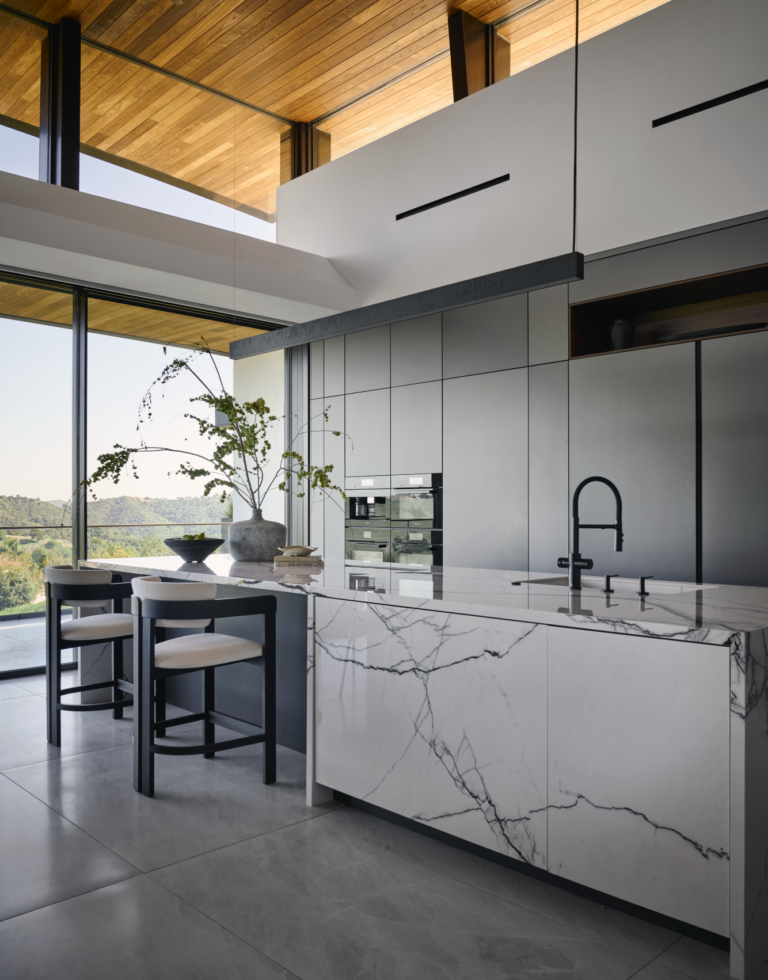
At the same time, the definition of luxury itself is evolving. For decades, luxury design was defined primarily by rarity, craftsmanship, and visual impact. Today, a more meaningful definition is emerging. The most valuable luxury is increasingly health, clarity, and longevity. A home that promotes restorative sleep, a workplace that enhances cognitive performance, and hospitality environments that allow the body to recover from the demands of modern life are becoming the new markers of elevated living.
At Nina Magon Studio, we believe that intentional design has the ability to elevate everyday life. Wellness design is not a single feature or amenity, but a philosophy that informs spatial planning, lighting strategy, material selection, and the overall sensory experience of a space.
As the wellness economy continues to expand, the built environment will play an increasingly central role in shaping the future of human living. The most influential spaces of tomorrow will not simply be beautiful. They will be environments intentionally designed to support health, clarity, and the way people want to live.